


New Zealand Road Trip Guide for Australians: Everything You Need to Know Before You Go
New Zealand. Just saying it out loud does something to you. Dramatic mountains, mirror-still lakes, coastlines that look computer-generated, and so much green it almost hurts your eyes.
My partner and I had been talking about a proper New Zealand road trip for years. We finally stopped talking and just did it — both islands, three weeks, one hire car, and more roundabouts than I ever want to see again in my life.
It was everything we hoped for. And we made plenty of mistakes along the way that I'm determined to save you from making yourself.
This is the guide I wish I'd had before we left. Practical, honest, and very much written from an Australian perspective — because while New Zealand feels familiar, it has enough quirks to catch you off guard if you're not prepared.
Connectivity First: Sort This Before You Leave Home
I'm leading with this because it affects everything — navigation, bookings, emergency contact, accommodation check-ins, and yes, posting that impossibly dramatic mountain photo to Instagram.
New Zealand has excellent mobile coverage in cities and major tourist areas, but the moment you venture into the South Island's more remote stretches — and you will, because that's where the magic is — coverage gets patchy. Having reliable data you can actually count on is non-negotiable for a road trip.
Before we flew out, I picked up a New Zealand eSIM from eSIM4u. The setup took about five minutes at home — scan a QR code, done. The moment we landed in Auckland and turned off aeroplane mode, we had data. No hunting for a SIM kiosk at the airport, no waiting in queues, no roaming charges quietly stacking up on our Aussie bill.
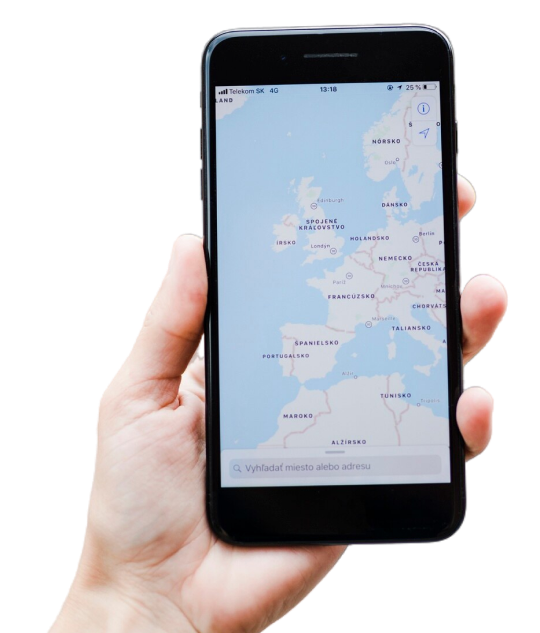
Being able to pull up Google Maps the second we stepped into the hire car terminal made an enormous difference. If you're not sure whether eSIM is the right choice for your trip, our eSIM vs Physical SIM guide breaks down the pros and cons in detail.
Driving in New Zealand: What Australians Actually Need to Know
Good news for us: New Zealand drives on the left. No adjustment period required, unlike our American or European counterparts who spend their first two days accidentally hitting the wipers instead of the indicator.
That said, there are still a few things that will catch you out.
Roundabouts are everywhere. And I mean everywhere. If you've been living in a suburb with traffic lights your whole life, the sheer frequency of New Zealand roundabouts will be a genuine surprise. They're not hard — just give way to the right, indicate as you exit, and you'll be fine. But don't say I didn't warn you.
Petrol stations and card payments don't always mix. This one surprised us. Our Australian credit card didn't work at the unmanned pumps at several stations — particularly in smaller towns. The fix: walk inside, ask the attendant to activate the pump, fill up, then pay at the counter. It adds two minutes but saves a lot of frustration at the pump.
Hire car tip: Choose an automatic. If you're already adjusting to driving on the left (or, if you're used to it, just unfamiliar roads), adding a manual gearbox to the mix makes everything more stressful. We went automatic and it was absolutely the right call.
Petrol planning in the South Island: Between Queenstown and some of the more scenic stretches of road, fuel stops can be 60–80km apart. Check your tank before heading out of any major town, especially if you're taking a scenic detour.
The Weather: New Zealand's One Unpredictable Variable
If there's a single piece of packing advice that will improve your trip more than anything else, it's this: bring layers, not an umbrella.
New Zealand weather — especially on the South Island and in Wellington — changes faster than the forecast can keep up with. You can have four seasons in a single afternoon, which sounds like a tourist cliché until you're standing on a glacier in sunshine and then suddenly in a horizontal hailstorm twenty minutes later.
Umbrellas are genuinely useless here. The wind will turn them inside out before you've opened them properly. What actually works is a hooded, waterproof windbreaker that packs into its own pocket, worn over a fleece mid-layer, over a thermal base.
The North Island (Auckland, Rotorua, Taupo) tends to be warmer and more forgiving. The South Island — particularly the West Coast, Fiordland, and the Southern Alps — is dramatically colder and wetter. We were in t-shirts in Northland and in down jackets in Te Anau, sometimes within the same week.
Our packing approach: thermals, light fleece, packable down jacket, and a quality waterproof shell. Everything else was weather-optional.
Paying for Things: Cards Are King, Cash Is a Curiosity
New Zealand is one of the most cashless countries we've travelled to. Visa and Mastercard are accepted essentially everywhere — cafes, petrol stations, market stalls, remote campground kiosks. We withdrew cash at an Auckland ATM on day one thinking we'd need it, and by the last few days we were actively trying to spend it.
One thing to know: many businesses add a small credit card surcharge, typically 1–2.5%. It's usually disclosed at the counter or on the menu. Not a dealbreaker, but it adds up over three weeks if you're paying by card for everything. If you want to avoid it, keep a small amount of NZD cash on you for smaller purchases.
Food and Restaurant Etiquette: One Key Difference
The food in New Zealand is genuinely excellent. Fresh seafood, incredible lamb, good coffee (they take flat whites seriously), and produce that tastes like it was picked that morning — because it often was.
The one thing that trips up Australians (and particularly anyone used to table service): you pay at the counter, not at the table. When you're done eating, you get up, walk to the register, and pay there. The server won't bring you the bill. If you sit waiting for it, you'll be waiting a while.
It feels obvious once you know, but it caught us off guard at our first sit-down lunch in Auckland.
Our top food tip: Check Google Maps reviews before choosing a restaurant, especially outside major cities. The quality gap between average and excellent is wide in smaller towns, and a two-minute search can save you a disappointing meal.
The Must-Do Stops: North Island vs South Island
North Island Highlights
Auckland is the entry point for most visitors and worth a day or two — good food, the Sky Tower, and Waitemata Harbour. But don't linger too long; the North Island's real rewards are further south.
Rotorua is unlike anywhere else in New Zealand — geothermal landscapes, bubbling mud pools, Māori cultural experiences, and a faint sulphur smell you'll either love or spend three days trying to escape. We loved it.
Lake Taupo sits at the centre of the North Island and is stunning in any weather. The drive south from Taupo to Wellington passes through the volcanic plateau — one of the most otherworldly stretches of road in the country.
Wellington is the capital and punches well above its size for food, coffee, and culture. Te Papa (the national museum) is free and genuinely worth a half-day.
South Island Highlights
The South Island is the reason most people do the trip. If the North Island is New Zealand on a gentle setting, the South Island turns everything up to full volume.
Nelson and the Abel Tasman — golden sand beaches and crystal-clear water that looks like it belongs in the Maldives, not at the top of the South Island.
The West Coast — isolated, dramatic, frequently wet, and breathtakingly beautiful. The Pancake Rocks at Punakaiki are worth the detour.
Queenstown — the adventure capital. Bungee jumping, skiing, jet boating, and a surprisingly good restaurant and bar scene. Allow more time than you think you need.
Fiordland and Milford Sound — the most dramatic scenery we've ever seen, full stop. The drive into Milford Sound through the Homer Tunnel is something that stays with you. Book the Milford Sound cruise in advance — it fills up fast.
The Mackenzie Basin and Lake Tekapo — cerulean-blue glacial lakes surrounded by lupins in spring and summer. One of the most photographed spots in New Zealand, and the photos still don't do it justice.
The Penguin Moment: Worth Every Minute of the Wait
If you're heading south, put penguin watching on the list. The little blue penguins — the smallest penguin species in the world — come ashore at dusk each evening.
We saw a small group for free in Timaru, which was charming. But the paid penguin viewing experience in Oamaru was one of the genuine highlights of the entire trip. Hundreds of penguins waddling in from the sea in the near-dark, completely unbothered by the audience watching from the grandstand. Take a warm jacket — it gets properly cold after sunset — and leave the camera flash at home (strictly no flash photography).
Accommodation: How to Choose Well
Booking through TripAdvisor with attention to recent reviews worked well for us throughout the trip. New Zealand's accommodation quality is generally high, but there's a wide range of styles worth knowing about:
Motels are the classic Kiwi road trip option — often underrated, reliably clean, and many have in-room laundry facilities, which is a genuine asset on a long trip. The Acacia Lakeside Motel in Taupo was a standout.
Boutique hotels in cities are consistently good. Hotel Britomart in Auckland is excellent if budget allows.
Holiday parks and campervan parks are brilliant if you're in a campervan or want a more social atmosphere. New Zealand's holiday park network is outstanding.
Book ahead for peak season (December–February). Popular spots like Queenstown and Milford Sound fill up months in advance during summer.
Your New Zealand Road Trip Checklist
Before you leave Australia:
- Sort your eSIM — grab a New Zealand eSIM from eSIM4u so you have data from the moment you land in Auckland
- Download offline maps — essential for the West Coast and Fiordland where coverage drops
- Book ahead for Milford Sound cruises, Queenstown activities, and peak-season accommodation
- Pack the layer system — thermals, fleece, down jacket, waterproof shell; skip the umbrella entirely
- Carry some NZD cash for small purchases and to avoid card surcharges
- Go automatic on the hire car — trust me on this one
- Check petrol before remote stretches — particularly between Queenstown, the West Coast, and Fiordland
- Download Google Maps offline sections for both islands before you leave your accommodation each morning
Final Word
New Zealand is one of those rare places that actually exceeds the hype. The landscapes are genuinely as dramatic as the photos suggest, the people are warm, the food is better than you expect, and the driving — once you've stopped hitting the wipers instead of the indicator — is some of the most enjoyable you'll ever do.
Get the logistics sorted before you leave, take your time on the South Island, and add a buffer day somewhere in the middle for when you inevitably find a place you don't want to leave.
Start with your connectivity: grab a New Zealand eSIM from eSIM4u before you fly, and you'll arrive already online and ready to go.
Safe travels. ✈️🥝
Planning more travel? Check out our guide on how to stay connected while travelling abroad or browse all our destination eSIM plans.
Related Blogs
Explore the World Without Roaming Worries



100% Money Back Guarantee
If you cancel your trip or experience tech issues that we can’t fix; we’ll refund you 100%.