


eSIM for Bali trips explained: your 2026 guide
An eSIM is a digital SIM card embedded directly in your smartphone, letting you activate a local data plan without touching a physical SIM card. For Bali travellers, this means you can stay connected overseas from the moment you land, without queuing at airport kiosks or hunting down a Telkomsel store. With eSIM for Bali trips explained clearly here, you will know exactly what to buy, how to set it up, and which network to trust before your flight even departs. Providers like Airalo, Jetpac, and Airhub have made Indonesia coverage genuinely reliable and affordable in 2026.
How to use an eSIM in Bali: setup, activation, and common mistakes
Setting up a Bali eSIM is straightforward when you follow the right order. The single biggest mistake travellers make is activating too early. Installing your eSIM on stable Wi-Fi before your flight and keeping it switched off until you land in Bali prevents your plan’s validity timer from starting prematurely and stops unnecessary battery drain.
Here is the process from purchase to first use:
- Buy your eSIM plan online from a provider like Jetpac, Airhub, or through Esim4u before you leave home.
- Install the eSIM profile on your phone using the QR code or app provided. Do this on your home Wi-Fi connection.
- Keep the eSIM turned off in your phone’s SIM manager until you land in Bali. Your home SIM stays active for calls and messages during the flight.
- On arrival, open your SIM manager and switch your data connection to the Bali eSIM. This takes about 30 seconds.
- Confirm your APN settings if data does not connect immediately. Most providers include these in their setup instructions.
Pro Tip: Set your eSIM as the default data line before you board, but leave it disabled. That way, one tap activates it the moment you clear customs in Denpasar.
One detail many travellers miss: using an eSIM for stays under 90 days bypasses Indonesia’s IMEI registration requirement, which applies to physical SIM purchases. You skip the passport registration process entirely. That alone removes a common source of confusion at the airport.
Key things to check before you buy:
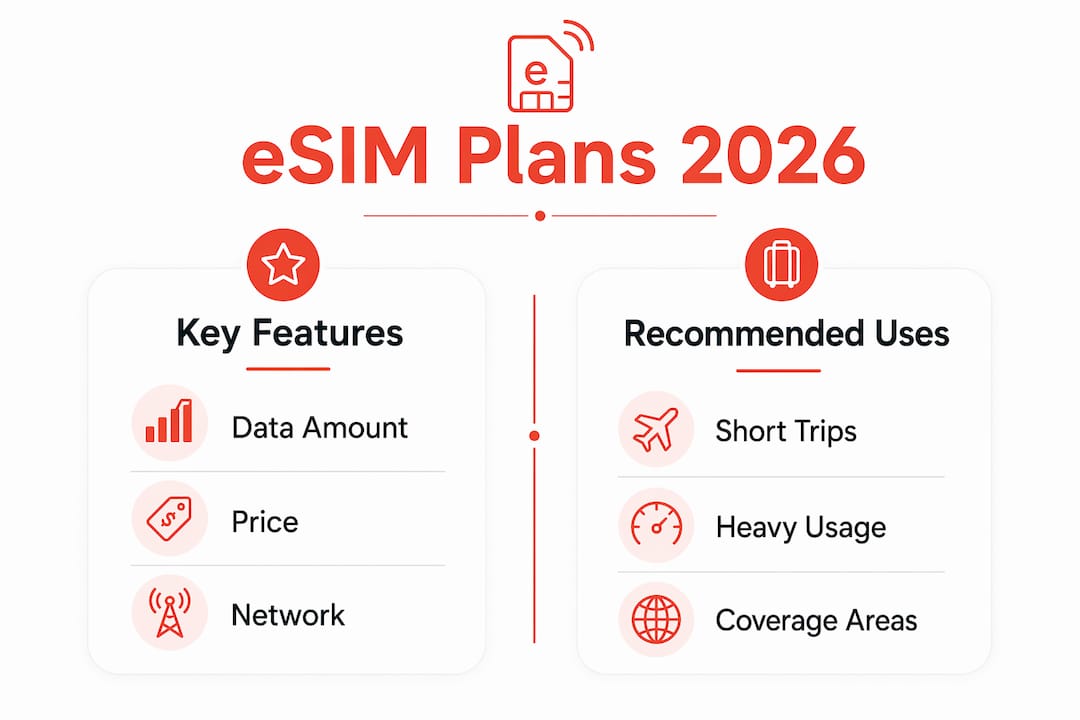
- Network: Telkomsel is the clear leader for coverage across Bali, including remote areas. Avoid plans that do not specify which network they use.
- Validity period: Make sure the plan covers your full trip. A 7-day plan that starts the moment you activate it will expire before a 10-day trip ends.
- Hotspot access: Not all plans allow tethering. Confirm this if you plan to connect a laptop or tablet.
- Data top-up options: Some providers let you add more data mid-trip without buying a new plan.
For reference, 1 GB costs roughly $4.50, 5 GB around $13, and 10 GB around $22 through most major providers. Unlimited plans represent the best value for anyone staying a week or longer and using data heavily.
What network coverage should you expect as an eSIM user in Bali?
Network choice is the most underrated decision in the whole eSIM process. Telkomsel covers approximately 95% of Bali, including remote regions like Nusa Penida, North Bali, and the mountainous interior. That coverage matters when you are on a scooter heading to a rice terrace with no town in sight.
XL and Indosat are the two other major Indonesian networks. XL delivers faster speeds in urban areas like Canggu, Seminyak, and Kuta, but its coverage drops significantly outside those hubs. Indosat has similar limitations. If your Bali trip stays within the main tourist corridor, either network works fine. If you are heading to Amed, Munduk, or Nusa Penida, Telkomsel is the only reliable choice.
Pro Tip: Check your eSIM provider’s product page for the specific network it uses in Indonesia. “Multi-network” plans sound appealing but often default to whichever signal is strongest, which may not be Telkomsel in rural areas.
Here is how network choice affects your day-to-day use:
- Streaming and video calls: Telkomsel handles these consistently across the island. XL may buffer in areas outside major towns.
- Hotspot sharing: Telkomsel’s 4G LTE coverage makes hotspot use reliable even in less-visited areas.
- Navigation apps: Grab and Gojek both work on any network in tourist areas. Telkomsel keeps them running further afield.
- Emergency connectivity: In remote trekking areas or on the ferry to Nusa Penida, Telkomsel is often the only signal available.
You can also read more about how eSIM data roaming works if you want a deeper look at how your plan connects to local towers when you arrive.
eSIM versus physical SIM cards: which is right for your Bali trip?
The right choice depends on your trip length, your destinations, and how much you value convenience over cost savings.
An eSIM wins for most short-to-medium Bali trips. Skipping the airport SIM queue saves you 30–90 minutes on arrival, and you can open Grab or Gojek the moment you walk out of the terminal. That is a real advantage when you are tired after a long flight and just want to get to your accommodation.
A local physical SIM makes more sense in these situations:
- Trips longer than 30–60 days: Grapari shops sell 20 GB monthly plans for around IDR 100,000 (roughly $7 AUD), which is hard to beat on a per-GB basis.
- Very heavy data users: If you are working remotely and burning through 30+ GB per month, a local prepaid plan from a Grapari store is more cost-effective.
- Older phones without eSIM support: Not all devices support eSIM. Check your phone’s specifications before buying.
| Scenario | Best option | Reason |
|---|---|---|
| 5–10 day holiday | eSIM | Instant setup, no queue, competitive pricing |
| 30+ day stay | Physical SIM (Grapari) | Monthly plans at ~$7 AUD for 20 GB |
| Remote area travel | eSIM on Telkomsel | 95% Bali coverage including Nusa Penida |
| Older phone (no eSIM) | Physical SIM | Hardware limitation |
| First-time Bali visitor | eSIM | Removes airport stress on arrival |
Roaming with your Australian home carrier is the one option that rarely makes financial sense. Roaming rates from Telstra, Optus, and Vodafone in Indonesia are significantly higher than buying a dedicated Bali plan. A week of roaming can cost more than a month of local eSIM data.
Key takeaways
An eSIM is the most practical way for most Bali travellers to stay connected, provided you choose a Telkomsel-backed plan and install it before you fly.
| Point | Details |
|---|---|
| Install before you fly | Set up your eSIM at home on Wi-Fi and keep it off until you land in Bali. |
| Choose Telkomsel coverage | Telkomsel covers 95% of Bali, including remote areas other networks miss. |
| Match data to trip length | A 5–7 day trip needs 5–10 GB; unlimited plans suit heavy users or longer stays. |
| eSIM beats airport SIM queues | Skipping the kiosk saves up to 90 minutes and avoids inflated airport pricing. |
| Long stays favour local SIMs | Trips over 30 days are cheaper with a Grapari prepaid plan at around $7 AUD per month. |
Get your Bali eSIM sorted with Esim4u
Esim4u stocks Indonesia eSIM plans with Telkomsel network coverage, covering the full island including Nusa Penida and North Bali. Plans range from 1 GB day passes to unlimited options, with instant QR code delivery after purchase. You can have your eSIM installed and ready before you leave home. Esim4u also provides step-by-step setup guides for both Android devices and Apple iPhones, so you are never left guessing. If you are extending your trip beyond Bali, the global 120+ countries plan keeps you covered across the region without switching providers.
FAQ
What is an eSIM and how does it work in Bali?
An eSIM is a digital SIM card built into your phone that lets you activate a local data plan without a physical card. In Bali, it connects to networks like Telkomsel to give you local data rates from the moment you arrive.
Which eSIM network is best for Bali?
Telkomsel is the best network for Bali, covering approximately 95% of the island including remote areas like Nusa Penida and North Bali. Always confirm your eSIM plan uses Telkomsel before purchasing.
How much data do I need for a week in Bali?
5–10 GB covers most travellers for a 5–7 day Bali trip. If you stream video daily or use a hotspot for a laptop, choose an unlimited plan starting at around $20 for 7 days.
Can I keep my Australian number active while using a Bali eSIM?
Yes. Your Australian SIM stays active for calls and SMS while the eSIM handles data. Use your phone’s SIM manager to set the eSIM as the default data line and your home SIM for calls.
Is an eSIM better than buying a SIM card at Bali airport?
For most visitors, yes. Buying at the airport means queuing 30–90 minutes and paying inflated kiosk prices. An eSIM purchased online before your trip is cheaper, faster to activate, and ready the moment you land.
Related Blogs
Explore the World Without Roaming Worries



100% Money Back Guarantee
If you cancel your trip or experience tech issues that we can’t fix; we’ll refund you 100%.